Category: Uncategorized
-
Qualities of sadhus तितिक्षव: कारुणिका: सुहृद: सर्वदेहिनाम् ।अजातशत्रव: शान्ता: साधव: साधुभूषणा: ॥ (Srimad Bhagavatam 3.25.21) Bhagavan Sri Kapila tells about qualities of sadhu-s or saintly persons. तितिक्षव – sadhus are very tolerant and forgiving.कारुणिका – sadhus are very kind, compassionate, merciful . सुहृद: सर्वदेहिनाम् – They are sincere well-wishers to all beings. अजातशत्रव – They…
-
Here, we shall look at an introduction to for loops in C. (For posts on while loops, pls see here. For posts on C Programming, pls see here.) We shall look at certain basic aspects of loop, and look at an example program. Above, we looked at certain important aspects of loops, and looked at…
-
Ch 10, verse 10 – तेषां सततयुक्तानां भजतां प्रीतिपूर्वकम् ।ददामि बुद्धियोगं तं येन मामुपयान्ति ते ||Sri Bhagavan says – “To those devotees always united with Me, engaged in My bhajan, I lovingly give that very intelligence, by which they attain Me.” श्री भगवान् कहते हैं—“उन निरंतर मेरे योग में स्थित, प्रेमपूर्वक मेरा भजन करने वाले…
-
कृष्णः गृहे अस्ति। (kṛṣṇaḥ gṛhe asti)Krishna is at home. Word by word meaning and grammar notes- कृष्णः – Krishna कृष्ण – अकारान्त पुल्लिङ्गम् (masculine), प्रथमा विभक्तिः (nominative), एकवचनम् (singular) गृहे – at home, in the home गृह – अकारान्त नपुंसकलिङ्गम् (neuter), सप्तमी विभक्तिः (Locative case), एकवचनम् (Singular) अस्ति = isअस् धातुः , लट् लकारः (present…
-
Learn Sanskrit. Simple sentences, with Hindi and English meaning. Singular, dual, plural. बालकः पठति । बालकौ पठतः । बालकाः पठन्ति ।
-
Learn Sanskrit easily. Present tense. Simple sentences with meaning. 11. छात्रा लिखति। Sanskrit: छात्रा लिखति।Transliteration: chātrā likhatiHindi: छात्रा लिखती है।English: The girl student writes. 12. मीरा गायति। Sanskrit: मीरा गायति।Transliteration: mīrā gāyatiHindi: मीरा गाती है।English: Meera sings. 13. गरुडः पतति। Sanskrit: गरुडः पतति।Transliteration: garuḍaḥ patatiHindi: गरुड़ उड़ता है।English: Garuḍa flies. 14. रामः तिष्ठति। Sanskrit: रामः…
-
1. बालकः गच्छति। Sanskrit: बालकः गच्छति।Transliteration: bālakaḥ gacchatiHindi: लड़का जाता है।English: The boy goes. 2. बालिका गच्छति। Sanskrit: बालिका गच्छति।Transliteration: bālikā gacchatiHindi: लड़की जाती है।English: The girl goes. 3. गजः आगच्छति। Sanskrit: गजः आगच्छति।Transliteration: gajaḥ āgacchatiHindi: हाथी आता है।English: The elephant comes. 4. अश्वः धावति। Sanskrit: अश्वः धावति।Transliteration: aśvaḥ dhāvatiHindi: घोड़ा दौड़ता है।English: The horse…
-
हरि-शब्दरूपम् विभक्ति (Case) एकवचनम् (Singular) द्विवचनम् (Dual) बहुवचनम् (Plural) प्रथमा हरिः हरी हरयः द्वितीया हरिम् हरी हरीन् तृतीया हरिणा हरिभ्याम् हरिभिः चतुर्थी हरये हरिभ्याम् हरिभ्यः पञ्चमी हरेः हरिभ्याम् हरिभ्यः षष्ठी हरेः हर्योः हरीणाम् सप्तमी हरौ हर्योः हरिषु सम्बोधन हरे हरी हरयः Meanings of the Cases विभक्ति (Case) General Meaning प्रथमा Subject (who?) द्वितीया Object (whom?)…
-
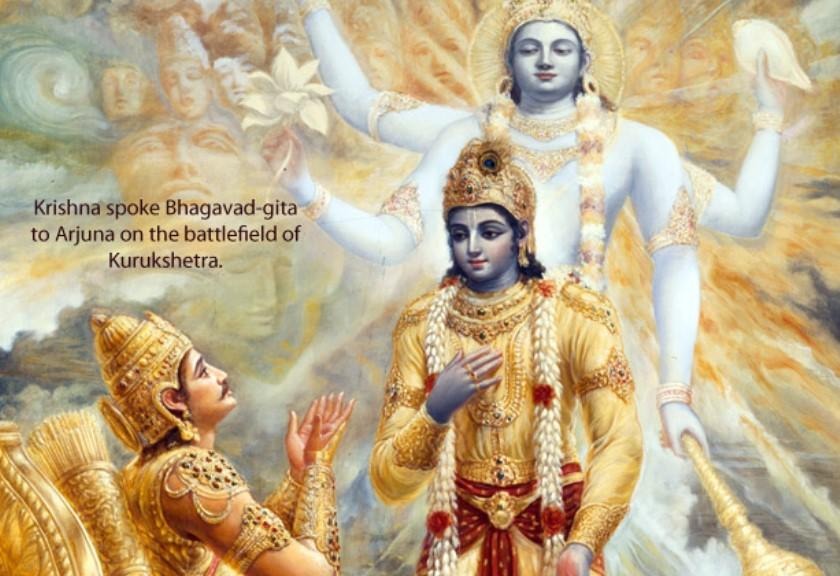
Let us learn Sanskrit. SImple sentences. Subject + Verb. Present tense. 1. The boy goes. बालकः गच्छति।(Bālakaḥ gacchati.) 2. The girl goes. बालिका गच्छति।(Bālikā gacchati.) 3. The elephant comes. गजः आगच्छति।(Gajaḥ āgacchati.) 4. The horse runs. अश्वः धावति।(Aśvaḥ dhāvati.) 5. Krishna speaks. कृष्णः वदति।(Kṛṣṇaḥ vadati.) 6. Arjuna listens. अर्जुनः शृणोति।(Arjunaḥ śṛṇoti.)
 sri ramanuja seva